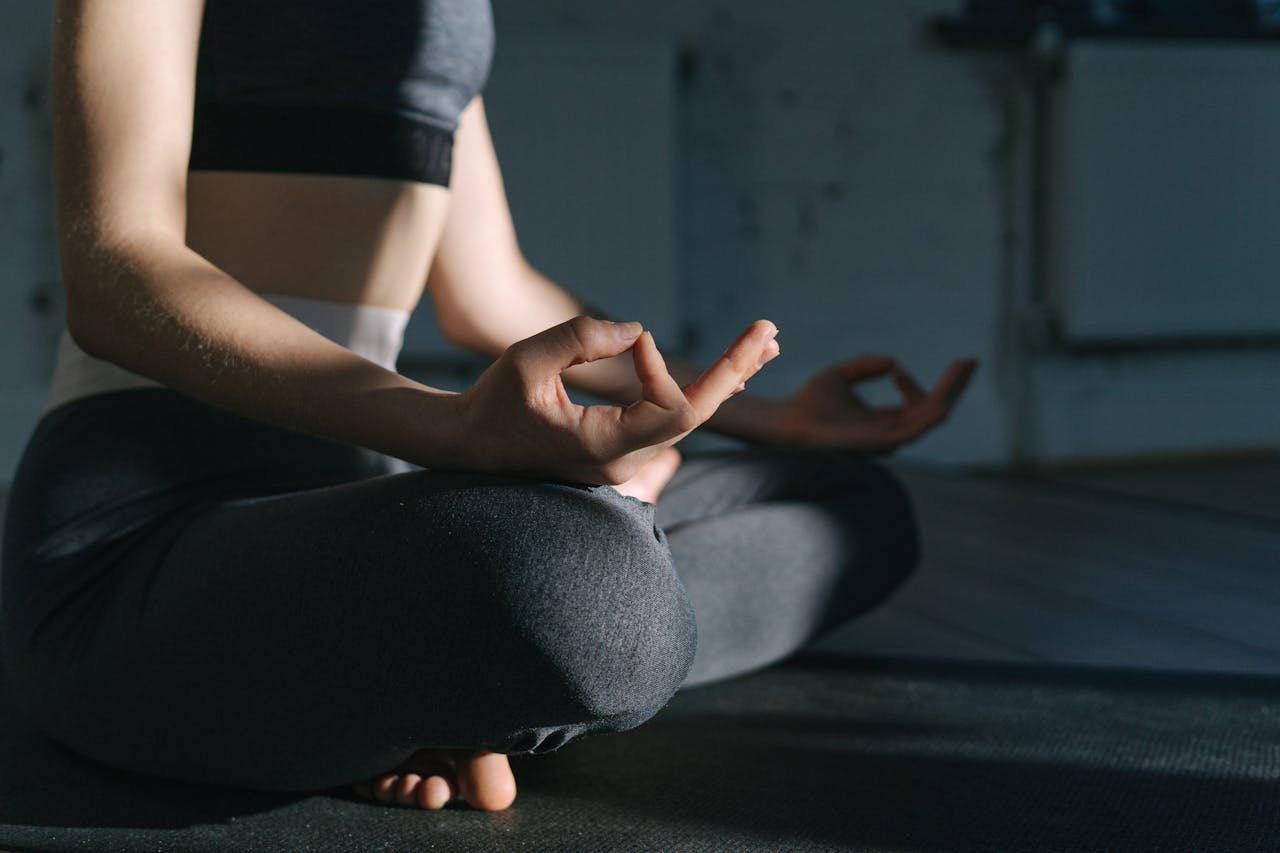
In our busy lives the mind can feel noisy, anxious, and hard to calm. Meditation offers a gentle, science-backed way to understand the mind, reduce stress, and build focus. This beginner-friendly guide shares
20 powerful and practical tips to help you start (and keep) a meditation practice that actually works.
Why Meditation Matters for Beginners
- Reduces stress and anxiety
- Improves focus, memory and mental clarity
- Enhances emotional balance and self-awareness
- Helps with better sleep and relaxation
20 Powerful Tips for Beginners
- Start small: Begin with 2–5 minutes daily. Small, consistent steps beat long, irregular sessions.
- Choose a quiet spot: A consistent, calm place helps your brain associate the space with practice.
- Sit comfortably: Use a chair or cushion—comfort matters more than posture perfection.
- Anchor to the breath: Follow inhales and exhales—breath is an easy and reliable anchor.
- Let thoughts come and go: Don’t battle thoughts—notice them and gently return to the breath.
- Use guided meditations: Apps and recordings help beginners focus and learn structure.
- Set a consistent time: Morning or before bed are best for habit, but pick what works for you.
- Use a timer: A soft timer frees you from checking the clock and lets you relax into practice.
- Try a body scan: Slowly move attention through the body to release tension and build awareness.
- Practice mindful actions: Bring mindful awareness to eating, walking, and routine tasks.
- Accept distractions: Sounds and thoughts are normal—observe without judgment.
- Experiment with mantras: Silently repeating a word (e.g., “peace”) can sharpen focus for some people.
- Eyes closed or soft-open: Choose what feels best—both are valid and effective.
- Use gentle background sounds: Nature sounds or soft music can support practice in noisy places.
- Journal after sessions: Capture insights, sensations, or emotions to track progress.
- End with gratitude: Finish a session by naming 1–3 things you’re thankful for.
- Be patient: Improvements are gradual—consistency beats intensity.
- Join a group or class: Community offers motivation, structure, and shared learning.
- Explore different styles: Try mindfulness, loving-kindness, breathwork, or guided visualizations.
- Celebrate small wins: Even a short sit is progress—acknowledge and build on it.
Common Beginner Mistakes & How to Fix Them
- Expecting instant results: Meditation changes are subtle—track days and weeks, not minutes.
- Over-scheduling practice: Short, regular sessions are more sustainable than long, sporadic ones.
- Self-judgment: Missing a session isn’t failure—return with curiosity and kindness.
Simple 5-Minute Starter Session
- Sit comfortably with a straight back.
- Close your eyes or soften your gaze.
- Take 3 slow deep breaths to settle.
- Focus on breath for 3 minutes—note inhale/exhale, return when mind wanders.
- Finish with one sentence of gratitude.
Tip: If you struggle to start, set a reminder on your phone or link meditation to an existing habit (e.g., after brushing your teeth).
Conclusion
Meditation is a simple, accessible tool to better understand the mind and find calm. Use these 20 tips to craft a practice that fits your life—start small, stay consistent, and be kind to yourself while learning.
Frequently Asked Questions (FAQ)
How long should a beginner meditate?
Start with 5 minutes daily and gradually increase to 10–20 minutes as you feel comfortable. Consistency matters more than length.
When is the best time to meditate?
Early morning or just before bed are common choices, but the best time is whenever you can be consistent.
Do I need a perfect posture?
No. Aim for a comfortable, upright position to stay alert—comfort is more important than form.
Can meditation really reduce anxiety?
Yes—regular meditation has been shown to reduce stress and anxiety by improving awareness and emotional regulation.
Do I need total silence?
Not necessarily. Gentle background sounds or guided meditations can be helpful, especially for beginners.
If you found this guide helpful, share it and help someone else begin their meditation journey. Want a printable checklist or a 5-minute audio guide? Reply and I’ll prepare one.