



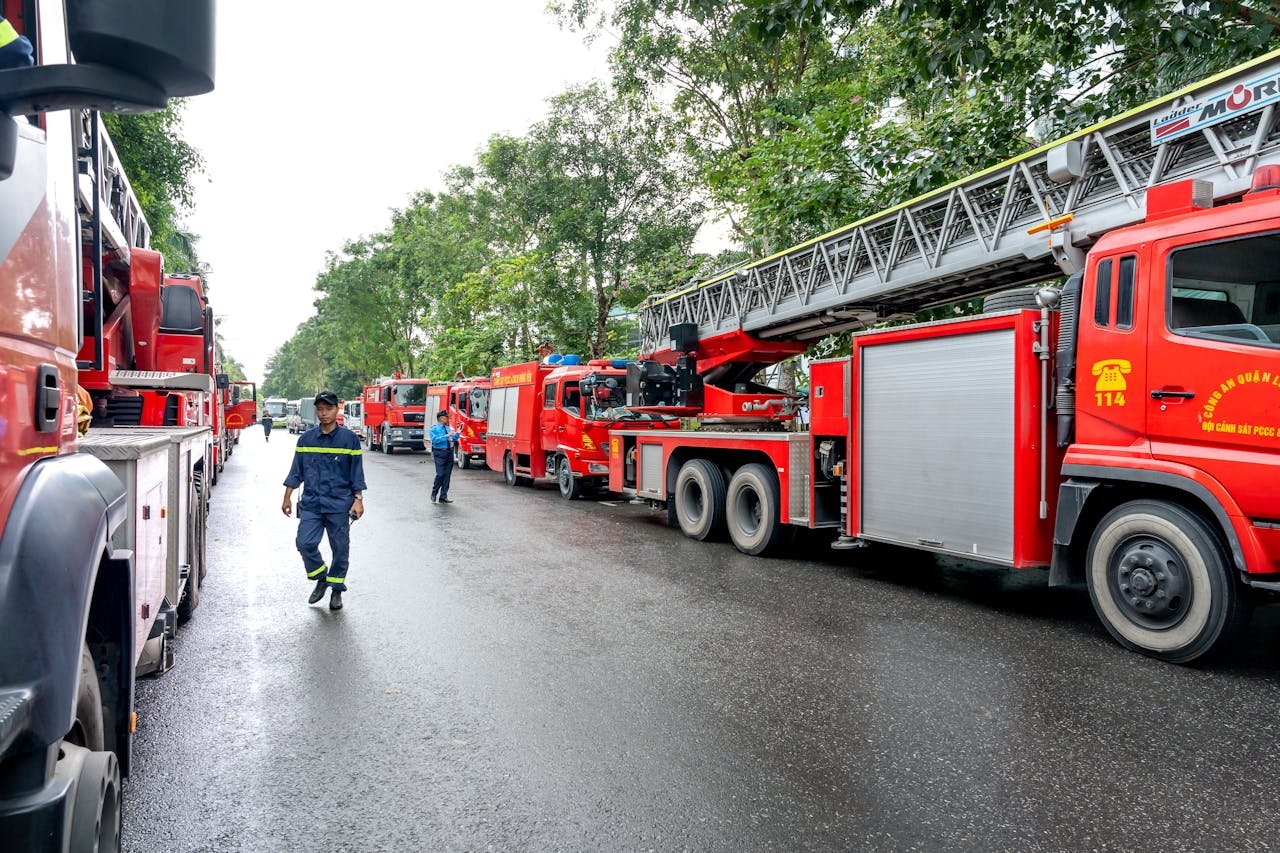
Fire safety in hotels is not just a regulatory requirement—it’s a crucial part of guest protection, property security, and brand reputation. With hundreds of guests, staff, and complex facilities operating around the clock, the hospitality industry faces a higher risk of fire incidents. A proper hotel fire safety checklist, trained staff, and well-maintained equipment can make the difference between safety and disaster.
1. Common Causes of Fire in the Hospitality Industry
Understanding fire hazards is the first step to prevention. The most common causes of hotel fires include:
-
Kitchen accidents: Grease fires or malfunctioning cooking appliances.
-
Electrical faults: Overloaded circuits, faulty wiring, or old equipment.
-
Smoking materials: Improperly discarded cigarette butts.
-
Laundry and housekeeping areas: Lint build-up or chemical storage issues.
-
Heating and air-conditioning systems: Poor maintenance or overheating.
💡 Pro Tip: Conduct regular electrical inspections and kitchen safety audits to reduce fire risks.
2. Fire Prevention in Front Office and Housekeeping
The front office and housekeeping departments play key roles in early detection and prevention:
-
Front Office:
-
Ensure all emergency exits are marked and unobstructed.
-
Maintain updated guest lists for quick evacuation.
-
Train reception staff in basic fire safety procedures.
-
-
Housekeeping:
-
Check fire extinguishers and smoke detectors daily.
-
Keep corridors free of clutter and flammable items.
-
Store cleaning chemicals safely and label them clearly.
-
3. Fire Extinguishers and Equipment in Hotels
Every hotel must have the right type and number of fire extinguishers placed strategically:
-
Water Extinguishers: For solid combustibles (paper, wood, cloth).
-
CO₂ Extinguishers: For electrical and flammable liquid fires.
-
Foam Extinguishers: For oil and liquid fires.
-
Wet Chemical Extinguishers: For kitchen fires involving cooking oils.
✅ Maintenance Tip: Inspect all extinguishers monthly and service them annually.
4. Managing Fire Safety Risks in Hotel Buildings
-
Conduct annual fire safety risk assessments.
-
Install automatic fire alarm and sprinkler systems.
-
Provide emergency lighting and clear exit signage.
-
Develop a fire evacuation plan and display it in every guest room.
-
Ensure regular fire drills for all departments.
5. Fire Safety Checklist for Hotels
A comprehensive hotel fire safety checklist should include:
-
✔ Smoke detectors and alarms tested weekly
-
✔ Fire exits unlocked and accessible
-
✔ Fire extinguishers inspected
-
✔ Staff trained in fire response
-
✔ Kitchen hood and duct systems cleaned regularly
-
✔ Electrical equipment checked and maintained
-
✔ Emergency contacts and evacuation maps displayed
6. Overcoming Fire Safety Challenges in Hotels
Modern hotels face challenges such as:
-
Multi-storey layouts making evacuation harder
-
High guest turnover and language barriers
-
Integration of fire systems with modern tech
-
Maintaining compliance with local fire regulations
Solution: Regular audits, multilingual safety instructions, and continuous training ensure preparedness.
Conclusion: A Commitment to Fire & Life Safety
Fire safety in hotels is everyone’s responsibility—from management to housekeeping. A well-implemented fire safety plan not only saves lives but also builds guest trust and enhances a hotel’s reputation for care and professionalism.