



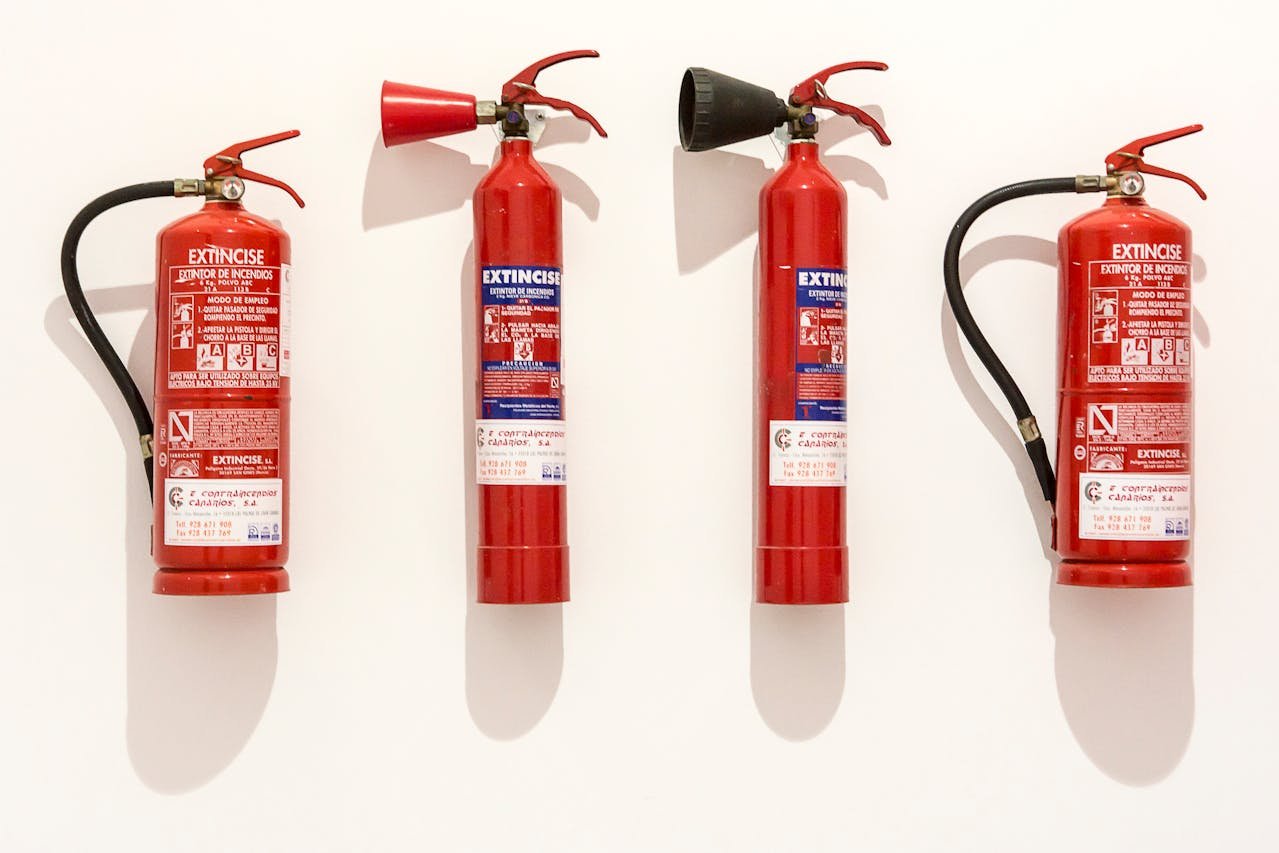
Complete Guide to Fire Extinguishers: Types, Classes, and Uses for Ultimate Fire Safety
Fire safety is a top priority in every home, office, and industry. Knowing the right fire extinguisher to use can save lives and prevent property damage. This guide explains fire extinguisher classification, types of fire extinguishers, and classes of fire, so you can be prepared for any emergency.
1. Fire Extinguisher Classification
Fire extinguishers are classified based on the type of fire they are designed to put out. Using the wrong extinguisher can worsen the situation or cause injuries.
Key Classifications
- Water Extinguishers: For Class A fires (wood, paper, textiles).
- Foam Extinguishers: For Class A and B fires (flammable liquids).
- CO₂ Extinguishers: For Class B and electrical fires.
- Dry Powder Extinguishers: For Class A, B, and C fires (flammable gases).
- Wet Chemical Extinguishers: For Class F fires (cooking oils and fats).
Color Coding for Quick Identification
- Red: Water
- Cream: Foam
- Black: CO₂
- Blue: Dry Powder
- Yellow: Wet Chemical
2. Types of Fire Extinguishers
Different extinguishers use different agents to put out fires. Here’s a closer look:
2.1 Water Fire Extinguishers
- Use: Ordinary combustibles (wood, paper).
- Mechanism: Cools the fire.
- Limitations: Not for electrical or flammable liquids.
2.2 Foam Fire Extinguishers
- Use: Flammable liquids and solids.
- Mechanism: Forms a blanket over fire, cutting oxygen.
2.3 CO₂ Fire Extinguishers
- Use: Electrical equipment, flammable liquids.
- Mechanism: Displaces oxygen and cools flames.
2.4 Dry Powder Fire Extinguishers
- Use: Solids, liquids, and gases.
- Mechanism: Interrupts chemical reaction of fire.
2.5 Wet Chemical Fire Extinguishers
- Use: Cooking oils/fats (Class F).
- Mechanism: Saponifies oils, cooling and smothering flames.
2.6 Specialized Extinguishers
- Metal Fire Extinguishers: Class D fires.
- Clean Agent Extinguishers: Safe for electronics and sensitive equipment.
3. Classes of Fire
Fires are classified based on the type of fuel burning. This helps determine the correct extinguisher to use.
3.1 Class A Fires
- Fuel: Wood, paper, textiles.
- Extinguishers: Water, foam, dry powder.
3.2 Class B Fires
- Fuel: Flammable liquids like petrol, oil, paint.
- Extinguishers: Foam, CO₂, dry powder.
3.3 Class C Fires
- Fuel: Flammable gases (LPG, propane).
- Extinguishers: Dry powder only.
3.4 Class D Fires
- Fuel: Combustible metals (magnesium, sodium).
- Extinguishers: Specialized dry powder.
3.5 Class F Fires
- Fuel: Cooking oils and fats.
- Extinguishers: Wet chemical extinguishers.
4. Fire Safety Tips
- Identify potential fire hazards in your home or workplace.
- Keep appropriate fire extinguishers accessible.
- Train staff or family members on proper extinguisher use.
- Regularly inspect and maintain extinguishers for readiness.
Conclusion
Understanding fire extinguisher classifications, types, and classes of fire is essential for safety. Using the correct extinguisher in an emergency can save lives, protect property, and prevent injuries. Be proactive, stay prepared, and make fire safety a priority.